The Impact of Super Mario Brothers on Gaming Culture


Intro
The impact of Super Mario Brothers on the gaming landscape is nothing short of revolutionary. Developed by Nintendo and released in 1985, the game didn’t just carve a niche for itself; it redefined gaming as we know it. From its memorable music to the charming pixelated graphics, it established a benchmark that many games have aspired to since. This article will delve into the intricacies of the game, exploring how its creation and evolution resonate through today’s gaming culture.
Game Feature Spotlight
Unique Gameplay Mechanics
At its core, Super Mario Brothers introduced a range of gameplay mechanics that were innovative for the time. The game utilized a side-scrolling format that allowed players to traverse vibrant worlds filled with challenges. Platforms, power-ups, and enemies were woven together in a way that kept players engaged and on their toes.
The dynamic challenges in each level were layered, often progressing from simple jumps to complex combinations that required precise timing and skill. For example, power-ups such as the Super Mushroom and Fire Flower transformed the protagonist, Mario, allowing players to tackle enemies in otherwise daunting situations. These elements not only kept the gameplay fresh but also encouraged players to experiment with strategies, enhancing long-term engagement.
Art Style and Design
Visually, Super Mario Brothers distinguished itself with a colorful palette and a whimsical art style that appealed to both young and older audiences. Each world carried its unique aesthetic, from the lush greenery of the Mushroom Kingdom to the fiery depths of Bowser’s castle. The pixel art, while simplistic by modern standards, has an undeniable charm that captures the essence of the era.
Moreover, character design played a pivotal role in its success. Mario and his brother Luigi, with their unmistakable hats and moustaches, became icons of gaming culture. The characters were not just avatars; they became symbols, representing joy and adventure across generations.
Storyline and Characters
The narrative was straightforward but effective. Mario’s mission to rescue Princess Peach from the clutches of Bowser propelled players into a fantastical realm. Characters were designed to be exaggerated yet relatable, making it easy for players to connect. You could almost feel Mario's determination as he jumped over pits and smashed bricks.
Additionally, the game introduced a vast array of supporting characters that enriched the storyline—Yoshi, Toad, and those pesky Goombas left lasting impressions and became emblematic of their roles in the Nintendo universe.
"Super Mario Brothers is not just a game; it is a phenomenon that has left a lasting mark on both gaming and cultural history."
Fun Facts and Trivia
The lore surrounding Super Mario Brothers is filled with interesting tidbits:
- Did you know that the original game was developed by a small team of just a few people?
- The power-up sound has become iconic, recognized even by non-gamers.
- In some levels, there are hidden warp zones that allow players to skip ahead.
Easter Eggs and Secrets Revealed
Players love to uncover secrets within the game. Hidden areas and glitches have spawned numerous YouTube videos, showcasing everything from speed runs to unique strategies. The discovery of these elements not only enhances gameplay but also creates a communal bond among players as they share their findings.
Top Lists and Rankings
When evaluating the significance of Super Mario Brothers in gaming history, it has often been featured in top ten lists for:
- Greatest video games of all time
- Most influential games in shaping gaming culture
- Best platformers of the 8-bit era
Closure
At the heart of Super Mario Brothers lies a legacy built on simplicity, creativity, and the joy of adventure. It stands as a testament to how a simple concept can shape an industry and create a lasting cultural impact. Understanding its significance not only enriches our appreciation for gaming but also highlights its role in shaping today’s media landscape.
For those looking to explore more, resources like Wikipedia and Britannica provide further insight into this monumental game that continues to resonate with players worldwide.
Preamble to Super Mario Brothers
The Super Mario Brothers game has carved a niche not only in the gaming realm but also in the hearts of millions around the globe. It's a true testament to how a single video game can transcend its original boundaries and evolve into a cultural staple. In this section, we’ll dig into the essence of what makes this game so significant, laying the groundwork for understanding its extensive influence.
Recognizing the arrival of Mario into our lives brings forth an unmistakable nostalgia. Released in the mid-1980s, it essentially sculpted the platforming genre, showcasing compelling gameplay mechanics and innovative designs that captivated players immediately. Beyond entertainment, Super Mario Brothers became a symbol of creativity, sparking an entire gaming industry renaissance, reminding us why we fell in love with video games in the first place.
Overview of the Game
Super Mario Brothers introduced players to the whimsical and vibrant world of the Mushroom Kingdom. Mario, a plumber with a knack for adventure, embarks on a quest to rescue Princess Peach from the clutches of the villainous Bowser. This storyline may sound simple, but it’s the very foundation that not only engages players but also invites them into an immersive experience filled with challenges.
The gameplay is remarkable in its balance of accessibility and depth. With its left-to-right mechanics, mastery of jump abilities, and power-ups like the Mushrooms and Starman, players are constantly rewarded for their ingenuity. Each level unfolds uniquely, presenting obstacles that require both strategic thinking and skillful execution. The combination of engaging music, charming graphics, and simple controls has helped cement its status as a touchstone in gaming history.
Historical Context of Release
When Super Mario Brothers was released in 1985, the gaming landscape was drastically different from what it is today. The market had suffered a crash a few years prior in 1983, leading to skepticism towards video games. However, the introduction of the Nintendo Entertainment System (NES) and this landmark title breathed new life into the industry.
The timing was key; the mid-80s was also a period ripe with technological advancements. Nintendo capitalized on this period by integrating more engaging graphics and sound, showing gamers what was possible. This not only saved a floundering industry but also ushered in a new age of video gaming that defined the childhood of many.


Nintendo's marketing strategy was clever, reviving interest through not just technology but also engaging storylines and character development.
In this context, the game stands out not merely as a product of its time but as a revolutionary force that influenced countless successors. As we further explore the Super Mario phenomenon, it’s essential to appreciate how its history laid the groundwork for what was to come, shaping our understanding of video games as a complex and beloved art form.
Development and Design
The development and design phase of the Super Mario Brothers game plays a crucial role in understanding its lasting impact on gaming. This section covers the nitty-gritty aspects that made this title a cornerstone in video game history. What’s fascinating is that the roads paved during its creation still influence game design and development today. By examining the intricacies involved in its making, we can appreciate the blend of creativity and technology that defined not just a game but an entire genre.
Creation and Development Team
The brainchild of Shigeru Miyamoto, Super Mario Brothers emerged from a collaborative effort of a talented team at Nintendo. In the early 1980s, Miyamoto, alongside Takashi Tezuka, was inspired by his childhood experiences playing in the countryside of Japan. They shared a vision that would revolutionize gaming.
Initially, the team faced limitations owing to the technological constraints of the time. Yet, this served as a motivating factor. They had to think outside the box. Take, for example, how they designed Mario’s character, utilizing a limited palette and pixel art. The choice of a plumber as the protagonist was smart; it gave him a relatable job and personality. Moreover, characters like Luigi were born from the need to introduce a simpler color scheme while still creating a sense of identity.
With tight schedule and limited resources, the crew worked like clockwork to produce something remarkable. Featuring a unique blend of platforming mechanics and storytelling, the game was truly ahead of its time. Not only did they develop the level designs, but they also crafted a narrative that players could engage with, setting a precedent for future games in storytelling through gameplay.
Technical Innovations
Miyamoto and his team didn’t just stop with character creation; they took a leap into innovative technical advancements that were noteworthy. One striking feature was the design of the game's physics system. The jump mechanics felt fluid and responsive, allowing players to experience a timeless sense of control. It was a contrast to the previous static animation and movement in existing games.
The introduction of invisible walls in the design of levels helped players explore new avenues within the game. It encouraged experimentation without frustrating gamers; they could discover hidden pathways without obvious barriers. This made players feel clever for coming across these secrets, adding a layer of satisfaction to their gameplay.
- Scrolling Levels: The lateral scrolling technique used in Super Mario Brothers was revolutionary, allowing for expansive world-building and exploration.
- Power-Ups: The implementation of power-ups such as the Super Mushroom and Fire Flower not only made the game engaging but also encouraged players to experiment with different styles of gameplay.
- Sound Design: The catchy tunes and sound effects, created by composer Koji Kondo, became iconic and helped immerse players into the world of Mario.
Gameplay Mechanics
The Gameplay Mechanics of Super Mario Brothers are a crucial component that showcases not only the design philosophy of the game but also reflects the innovative strides made in the gaming industry during the 1980s. These mechanics govern how the player interacts with the game world and directly affect overall enjoyment and player engagement. Without well-defined mechanics, no matter how creative or visually appealing a game might be, it risks falling flat.
A few central elements are pivotal in understanding gameplay mechanics:
- Character Movement: Players control Mario's actions with precise inputs. The responsiveness of Mario's jumps, runs, and interactions has become a hallmark of the franchise. This precision encourages players to develop their skills over time.
- Power-Ups: Items like the Super Mushroom and Fire Flower introduce layers of strategy. Players must decide when to use these items, balancing the risk of losing them against potential rewards.
- Enemy Interactions: Not all encounters within the game are designed for conflict. Some enemies can be jumped on for points, while others might pose significant threats, teaching players to adapt.
These components contribute to a gameplay experience that is rewarding yet challenging. They promote exploration, timing, and a bit of creativity, all while ensuring that players of any skill level can enjoy the game.
Core Game Mechanics
At the heart of Super Mario Brothers lie its core game mechanics, which create an immersive experience. These mechanics are the framework that dictates how Mario interacts with the environment. For instance:
- Jumping is arguably Mario's most essential skill. The physics of jumping feels fluid, creating a sense of weight and momentum. Players learn through experience; the timing and angle of their jumps affects whether they land on platforms or dodge enemies.
- Running adds another layer. It enables players to gather speed quickly, which is vital for making long jumps or avoiding enemy attacks. This mechanic is paired with momentum, affecting how far Mario can travel before he stops.
- Collecting Coins serves not only as a point system but also provides curiosity and reward. Players are often driven to explore hidden areas to gather as many coins as possible, linking gameplay directly to player investment.
The combination of these mechanics has made gameplay not just about overcoming obstacles but also about engaging in interpersonal strategies—players often discuss or share techniques for mastering particularly tricky sections.
Level Design and Challenges
The level design in Super Mario Brothers stands as a testament to the brilliance of its creators. Each level could be seen as a finely tuned puzzle designed to challenge players while still providing a sense of achievement.
Every stage features:
- Varied Themes: From grassy plains to underwater realms, this diversity keeps players engaged and eager to see what’s next. The transition from one world to another adds excitement and anticipation.
- Gradual Complexity: Early levels start simple, allowing newcomers to familiarize themselves with mechanics before they face tougher enemies and intricate traps. This scaffolding approach makes the game accessible to novices.
- Hidden Areas and Shortcuts: Mastery involves discovering secret paths or hidden blocks. This not only encourages exploration but also gives experienced players a chance to show off their skills or find quicker routes through levels.
Despite these enjoyable elements, challenges remain. The game introduces certainty and unpredictability through moving platforms and tricky enemy patterns. Players must learn to adapt quickly to navigate through levels without losing their lives—a real test of skill.
"The beauty of Super Mario Brothers lies in how it pushes players to grow while keeping them entertained. It’s more than mere fun; it’s an experience that challenges, rewards, and encourages rhythm."
For those wanting to delve deeper into these aspects, consider checking out resources like Wikipedia, which offers a comprehensive overview of the game and its impact on the gaming landscape.
Character Analysis
The world of Super Mario Brothers is not just defined by its vibrant graphics or captivating gameplay; it's deeply enriched by its memorable characters. Character analysis plays an essential role in understanding the game's cultural and historical significance. By examining characters, we get insights into the motivations, relationships, and the social messages embedded within the gameplay. This analysis helps to reveal how these characters resonate with players of all ages and how they evolved over time, capturing the essence of gaming culture.
Mario: The Protagonist
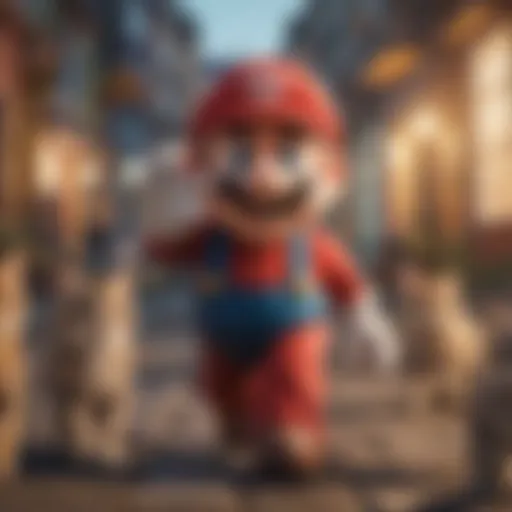
Mario is more than just a plucky plumber. He has become a cultural icon, epitomizing values like determination, bravery, and resourcefulness. Emerging in the early 80s, he instantly became relatable, wearing his blue overalls and red hat with pride. Mario’s significance lies not just in his role as the hero but also in how his character can be viewed through various lenses, including those of resilience and adaptability. His ability to overcome obstacles - whether jumping on Goombas or navigating complex mazes - serves as a metaphor for facing life’s challenges.
- Background and Evolution: Mario’s original appearance was in the arcade game Donkey Kong, where he was known simply as "Jumpman." As the series progressed, Mario developed a richer backstory, reinforcing this growth from an everyman into a legendary hero. How he is portrayed across games—from the typical heroic quest in Super Mario Brothers to the more complex character in Super Mario Odyssey—illustrates his adaptability.
- Personality Traits: Mario's personality greatly contributes to his charm. He embodies optimism, never giving up, even against the odds. His catchphrase, "It's-a me, Mario!", resonates with players, emphasizing his friendly demeanor. This relatability allows fans to form a bond with him, making his adventures feel personal.


Supporting Characters
The supporting cast in the Mario universe enhances the narrative depth and gameplay dynamics. Characters like Luigi, Princess Peach, and Toad have their own distinct personalities and roles, each contributing to the overarching story in meaningful ways.
- Luigi: Often seen as Mario’s sidekick, Luigi offers a contrasting personality—more timid yet equally brave in his own right. His presence provides a sense of companionship, reminding players that even heroes can have a brother to lean on. In recent titles, he has stepped into the limelight, proving that he is not merely a sidekick but a hero in his own adventures.
- Princess Peach: Representing kindness and intelligence, Princess Peach isn’t just a damsel in distress; she’s played pivotal roles in several titles, often aiding Mario in his quests. This evolution is crucial to understanding gender representation in gaming, showcasing a character who is not only worth saving but also capable of action herself.
- Toad: As the royal attendant, Toad brings a sense of whimsy and humor. His cheerful demeanor and willingness to help demonstrate the importance of friendship and support in the quest against evil, further enriching the community theme prevalent throughout Mario’s adventures.
This diverse supporting cast reinforces the story’s central themes, providing players with varied interactions and creating a colorful world that goes beyond the main narrative.
Antagonists and Their Roles
No adventure is complete without its villains, and the Mario franchise is home to a unique array of them. These antagonists serve not only as obstacles for players to overcome but often carry deeper messages and reflections on personal growth.
- Bowser: The primary antagonist and king of the Koopas, Bowser's character evolves from a simple villain wanting to kidnap Princess Peach, to a more complex character that sometimes shows hints of deep-seated motivations, whether it’s family or rivalry. His role transcends the realm of mere evil, making him a formidable foe that players can’t help but respect.
- Other Villains: Characters like Wario and Waluigi introduce elements of greed and rivalry. While they embody negative traits, their comedic flair offers players a contrasting experience that adds depth to the narrative. Players see that others can be flawed too, which creates a richer gaming experience.
Antagonists also serve a pivotal educational role, teaching players how to confront challenges and understand failure, reinforcing the notion that adversities can lead to growth.
In summary, the characters in Super Mario Brothers—be they heroes, sidekicks, or villains—not only drive the gameplay but also create a tapestry of narratives that reflect deeper societal themes and personal values. Exploring these characters offers gamers a more profound appreciation for what lies beneath the surface of this legendary franchise.
Cultural Impact
The significance of Super Mario Brothers transcends its existence as a mere video game; it embodies a cultural phenomenon that laid the groundwork for the modern gaming landscape. The game influenced not only how games are developed and played but also how they are perceived by the world at large. In the heart of its impact, one can find the powerful synergy between gameplay mechanics, character appeal, and the burgeoning gaming industry.
Influence on Gaming Industry
Super Mario Brothers revolutionized the gaming industry in several key ways. First and foremost, it set the standard for platformers, a genre defining its own characteristics and serving as a template for countless successors. The precise controls and innovative level designs offered players a rewarding experience, fostering a sense of mastery and accomplishment. This critical balance between challenge and accessibility opened the floodgates for a broader audience drawn into the gaming world.
Moreover, the game's success instigated a wave of investment into the gaming sector. Developers started to recognize the potential for profit, leading to an explosion of new titles and more substantial budgets for production. Gaming industry giants like Nintendo, Sega, and later Sony and Microsoft began to see video games as not just a pastime, but a potential cultural cornerstone. The title effectively paved the path for franchises and established legacy characters that have thrived well into today's gaming realm.
Representation in Media
The reach of Super Mario Brothers extended beyond consoles and arcades, finding its way into various forms of mainstream media. From animated television series to various merchandise lines, the brand's influence has been profound. Different adaptations attempted to capture the whimsy and charm of Mario and his adventures, reflecting society's evolving taste in entertainment.
For instance, the animated series aired in the 1980s and captured the imaginations of young viewers, extending the characters into the daily lives of children who might not have access to gaming consoles. The film adaptation, despite receiving mixed reviews, solidified Mario's position as a cultural icon.
The spectacle of Mario can be seen woven into the fabric of popular culture, making cameos in various series and even music videos. Such appearances solidify the notion that the world of Super Mario Brothers is interlaced with broader entertainment, creating a funny kind of transmedia storytelling.
Merchandising and Brand Expansion
Merchandising became a powerful tool for the Super Mario Brothers franchise, and its success showcased how video game brands could be expanded beyond their original mediums. The range of products - from action figures to clothing, lunch boxes to themed events - capitalized on the game’s popularity and transformed Mario into a household name.
This kind of brand expansion has given rise to an entire merchandise ecosystem. Limited-edition collectibles and game-themed products continue to instill excitement amongst fans, further feeding the nostalgia culture that surrounds the franchise. The iconic characters, such as Luigi and Yoshi, have generated their own lines of products and experiences, ensuring the franchise thrives well beyond its initial release.
"Super Mario Brothers not only paved the way for the gaming industry but also became a cultural touchstone that resonates with generations of fans."
For more information about the history and impact of Super Mario Brothers, check out these resources: Wikipedia, Britannica, and Reddit.
Legacy and Evolution
The legacy and evolution of Super Mario Brothers spans beyond mere gameplay. It's a tapestry of innovation woven into the fabric of gaming history. Understanding this legacy involves dissecting some key elements that not only highlight its significance but also reflect how this iconic franchise has thrived over decades. The importance of this topic lies in its ability to forge connections – between players, developers, and a rapidly changing gaming landscape.
Sequels and Spin-offs
From the moment the original Super Mario Brothers hit the shelves in 1985, a treasure trove of sequels and spin-offs began to emerge. Each installment builds on the last, introducing new mechanics, storylines, and characters that kept players coming back for more. For instance, Super Mario 64 brought the series into the third dimension, allowing players a level of exploration that was previously unheard of. It wasn't merely about reaching the flagpole anymore; it became about freedom and creativity in gameplay.
As the series expanded, jumpers such as Super Mario Galaxy and Super Mario Odyssey introduced gravity-defying mechanics and a broader narrative scope, all while maintaining the franchise’s signature charm. Spin-off titles like Mario Kart and Super Smash Bros. did more than just diversify the gaming offerings; they created a shared universe that elevated Mario’s relevance within the gaming community.
Here's a brief overview of some notable sequels and spin-offs:
- Super Mario 64: Fresh 3D gameplay, castle exploration, and new power-ups.
- Super Mario Galaxy: Innovative gravity mechanics and interstellar themes.
- Super Mario Maker: Empowering fans to create their own levels, creating a community of designers.
- Mario Kart series: An exciting intersection of competition and fun for players of all ages.
These games not only contributed to Mario's popularity but also shaped how sequels are approached in the gaming industry, often becoming benchmarks against which others are measured.
Modern Remakes and Updates
In a world increasingly focused on nostalgia, modern remakes and updates of classic titles enable new generations of gamers to experience the magic of Super Mario. These refreshed versions often come with enhanced graphics, improved controls, and quality-of-life adjustments that reflect advancements in technology while respecting the original's charm.

For instance, Super Mario All-Stars, a compilation released in 1993, breathed new life into the original games with 16-bit graphics and improved sound, expanding its audience. More recently, Super Mario 3D All-Stars showcased Super Mario 64, Super Mario Sunshine, and Super Mario Galaxy with a modern twist—proving that Mario knows how to stay relevant amid changing tastes and advances in gaming technology.
Updates often go beyond aesthetics. They can involve adding new content or tackling bugs with speedier performance, making certain that both newcomers and veteran players have a seamless experience. It’s a technique to not only honor the legacy but also ensure that the Mario franchise continues to evolve with the times.
In summary, the legacy and evolution of Super Mario Brothers encapsulate a journey through innovation, character development, and community engagement. By expanding upon sequels and embarking on modern remakes, this beloved franchise continues to thrive in both the hearts of its fans and the rapidly changing gaming industry. As we look at what's next for Mario, the lessons learned from his storied past illuminate the path forward.
Super Mario Brothers in Popular Culture
The influence of Super Mario Brothers extends far beyond simple game mechanics or character design; it’s woven deeply into the fabric of popular culture. This section shines a spotlight on how this iconic franchise has permeated numerous cultural spheres, creating an enduring legacy that captures the imagination of both gamers and non-gamers alike. Through various representations in other video games and media, Super Mario Brothers showcases how video games can influence and reflect societal trends, trends that run the spectrum from nostalgia to innovation.
Appearances in Other Games
Throughout the years, Mario has made countless appearances in various games that span genres and platforms. His role often transcends that of a mere character, morphing into a symbol of gaming itself. One notable example is the Super Smash Bros. series, where Mario stands shoulder to shoulder with characters from a myriad of franchises. In this crossover environment, Mario’s appeal is magnified as he engages in a brawl alongside the likes of Link from The Legend of Zelda and Pikachu from Pokémon.
Additionally, Mario can be found in party games like Mario Party, where he invites both friends and foes to partake in competitive mini-games and board game-style challenges. Here, the emphasis is less about traditional gameplay and more about creating camaraderie and laughter, influencing how friends bond over gaming. Furthermore, collaborations such as Mario & Sonic at the Olympic Games highlight his influence beyond his original titles, showcasing adaptability in different gaming contexts, merging brands and engaging fans of both franchises.
- Significant Crossovers:
- Super Smash Bros.
- Mario Party
- Mario & Sonic at the Olympic Games
Cameos and Iconic References
Cameos are another effective way Mario has left his mark on popular culture. In games like The Legend of Zelda: Link’s Awakening, players can spot Mario’s familiar visage in unique and often playful contexts. These instances serve not just as Easter eggs for avid gamers, but also as a playful nod to the interconnectedness of various universes within the gaming world.
Moreover, Mario has seeped into mainstream media as well. One vivid example comes from the show The Simpsons, where he was featured in episodes that parody video game culture. Such instances not only broaden Mario’s reach but also embed him in a wider conversation about the impact of gaming on society. The adaptability of Mario as a character facilitates his representation across varied platforms, ensuring that he remains relevant to both old fans and new players alike.
"Mario is not just a character but an institution in gaming. He's a bridge connecting generations of players."
Gaming Community and Super Mario
The gaming community surrounding Super Mario Brothers is a vibrant tapestry woven from the threads of shared experiences, creativity, and competition. This community plays a crucial role in maintaining the game's relevance and sustaining its legacy across generations. Camaraderie among fans, engagement through various platforms, and collective experiences all contribute to the rich culture that suroounds the franchise. Each new game release or anniversary adds fuel to the fire, igniting discussions and renewing interest for both seasoned players and newcomers.
Player Interactions and Fan Culture
In a world dominated by online gaming, the player interactions surrounding Super Mario Brothers highlight the importance of social connections. From forums such as reddit.com where enthusiasts gather to discuss strategies, share artwork, or swap stories, the engagement is palpable. In fact, the vast expanse of fan-created content speaks volumes about the impact this series has had.
- Fan Art and Cosplay: The creative community thrives with countless fan artworks offering fresh perspectives on beloved characters. Coupled with cosplay events at conventions, players celebrate their favorite characters and expand their personal connections to the series.
- Video Content: Platforms like YouTube offer walkthroughs, tutorials, and analysis videos, creating a rich resource for players to share knowledge. Whether it’s discovering hidden secrets or getting tips on tough levels, fans turn to each other for insights.
This shared knowledge ultimately cultivates a sense of belonging, as players realize they’re united by passion. It’s not uncommon to witness heated debates over game strategies or character preferences, reflecting the deep-rooted affection fans have for Mario and his universe.
Speedrunning Trends
In the realm of competitive gaming, speedrunning has gained a solid foothold within the Super Mario community. This unique subculture draws players together to complete games as quickly as possible, often employing glitches or unconventional techniques to shave off precious seconds.
The excitement surrounding speedrunning events, showcased prominently during charity marathons like Games Done Quick, has spread to a broader audience. Super Mario speedrunners not only demonstrate their skills but often inspire new players to engage with the game in ways they had never considered.
The allure of setting personal records fuels friendly rivalries and community support. Aspiring speedrunners can often find resources and guidance on how to improve their times or discover optimal routes through forums or dedicated websites. It also opens up discussions about game mechanics and the intricacies that make Super Mario Brothers a source of endless exploration.
By leaning into the competitive aspect, players foster a deeper understanding of the game’s mechanics. This results in an ever-evolving conversation about strategies, techniques, and the nuances that make each new discovery exciting. Together, the gaming community continues to evolve, ensuring that Super Mario Brothers remains a relevant and cherished part of gaming history.
"Communities built around a shared passion for gaming enrich the experience, elevating a solitary hobby into a collective celebration of creativity and skill."
The legacy of Super Mario Brothers is not only entrenched in its gameplay but also in the vibrant community that keeps the spirit alive. Through interactions, innovations, and an unyielding love for the game, fans break barriers, craft friendships, and continue to honor a beloved icon.
Ending
As we wrap up this exploration of the Super Mario Brothers game, it's crucial to reflect on the monumental significance of its legacy and future trajectory. This analysis highlights not only the technical and cultural milestones achieved by the franchise but also offers insights into how they resonate with gamers across generations.
Reflections on Super Mario’s Legacy
The lasting legacy of Super Mario Brothers is a mosaic made up of various influences and innovations. Born in the crucible of the early video game era, this franchise played a crucial role in shaping the landscape of interactive entertainment. With its engaging gameplay and pioneering character design, Mario became more than just a figure on the screen; he evolved into an icon that represents creativity and adventure.
Players often recall their first experiences with Mario, recounting stories of navigating the ceaseless pipes and jumping over Goombas. These personal anecdotes highlight why the game remains cherished by many. The lessons embedded in its levels—perseverance, exploration, and even friendship—echo beyond the console. Moreover, the simplicity of its design makes it accessible while still offering layers of depth for those keen to explore further.
Ultimately, Super Mario Brothers has transcended its role as a video game. It has become a cultural touchstone, inspiring countless adaptations in various media such as cartoons, merchandise, and even feature films. Through collaborations with diverse platforms and mixing with contemporary gaming trends, Mario has cemented his place not just in gaming history but in the larger narrative of popular culture.
The Future of Super Mario Brothers
Looking ahead, the future of the Super Mario franchise appears as varied and vibrant as ever. With advancements in technology, particularly in areas like virtual reality and augmented reality, the potential for new gaming experiences is extensive. Imagine exploring the Mushroom Kingdom in immersive 3D, or engaging in cooperative adventures alongside friends, blending physical and digital worlds. As gaming becomes integrated more with real life, Super Mario is well-positioned to lead the way through innovative storytelling and gameplay mechanics.
Moreover, the franchise’s commitment to inclusivity, evidenced by recent titles that embrace diverse characters and story modes, shows an understanding of modern audiences. It's a careful balancing act between honoring the roots that made the series thrive while also adapting to evolving cultural contexts.
"The power of Mario lies in his ability to adapt without losing sight of who he is at his core."