
Exploring Nautilus Wooden Puzzles: Design and Benefits
Intro
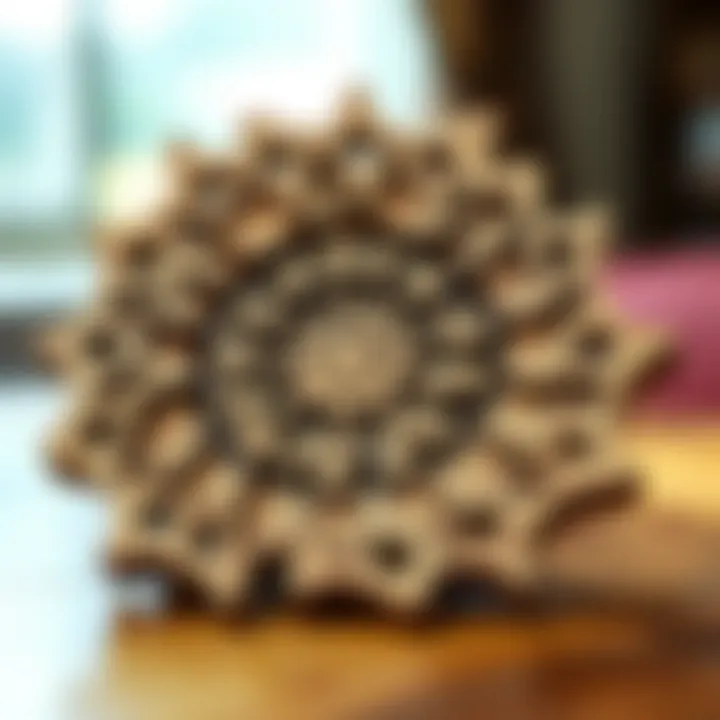
In the realm of puzzle enthusiasts, the allure of Nautilus wooden puzzles beckons to both the casual player and the dedicated aficionado. Crafted from high-quality wood, these puzzles offer an engaging blend of artistry and complexity, making them more than just a test of one’s cognitive skills; they serve as a celebration of craftsmanship and creativity.
The journey into the world of Nautilus puzzles unveils various layers, showcasing their intricate designs and historical significance. Originating from ancient traditions, wooden puzzles have evolved into a favorite pastime for all ages. As you dive deeper into this article, you will discover not only the aesthetics but also the psychological advantages these puzzles can foster. Whether you are a seasoned player or a newcomer eager to explore, there's something captivating awaiting you within these wooden wonders.
This exploration will cover the rich history, distinct features, and the cognitive benefits embedded in engaging with Nautilus puzzles. So, let’s peel back the layers to understand what makes these puzzles tick on both a practical and artistic level.
The Concept of Nautilus Wooden Puzzles
The world of Nautilus wooden puzzles is not just another shiny trinket in the realm of toys; it's a fascinating interplay of craftsmanship, design, and cognitive stimulation. The fundamental idea behind these puzzles is to challenge the mind and provide an engaging activity that goes beyond mere entertainment. While traditional jigsaw puzzles have their charm, Nautilus puzzles bring a unique flavor that draws enthusiasts from all walks of life.
Nautilus wooden puzzles are characterized by their intricate shapes and the way they fit together, setting them apart from the run-of-the-mill options available. These puzzles entice players to delve deep into their spatial reasoning, inviting contemplation and problem-solving as they try to piece the puzzle back together. Unlike linear puzzles, Nautilus puzzles often have multiple solutions or pathways, showcasing complexity that keeps even the most seasoned puzzler on their toes.
The benefits of engaging with Nautilus puzzles extend beyond entertainment. Studies suggest that working with these puzzles can lead to enhanced cognitive skills, particularly in areas related to problem-solving and critical thinking. They compel players to think outside the box, nurturting creativity while providing tangible satisfaction upon completion. Moreover, they serve as a medium for social interaction, igniting conversations whether it's among family members or friends, as they collaborate to solve intricate designs.
Key Elements
Some crucial elements that define the Nautilus wooden puzzles include:
- Craftsmanship: Each piece is carefully crafted, often by artisans who take pride in their work. The artisanal aspect not only makes each puzzle a signature work of art but also impacts the overall durability of the product.
- Design Consciousness: The shapes and interlocking mechanisms are thoughtfully designed to create a unique tactile experience. Many Nautilus puzzles find inspiration from nature, leading to beautiful forms that are a feast for the eyes.
- Cognitive Engagement: Interaction with these puzzles encourages mental flexibility, as players must adapt their strategies based on the evolving puzzle structure.
The Nautilus puzzles encapsulate a broader concept where puzzles become a bridge—connecting art and intellect, leisure and learning. Their rise in popularity demonstrates a growing appreciation for handcrafted, intricate toys that challenge both the mind and aesthetic sensibilities. As we explore the origins, craftsmanship, and design features of Nautilus wooden puzzles, we uncover an experience that resonates well beyond the puzzle box.
Historical Background
Understanding the historical backdrop of wooden puzzles is essential. It provides context for their evolution and significance in today’s world. Puzzles have captivated minds for centuries. Their development reflects not only advancements in craftsmanship but also shifts in societal interests and educational practices. Bringing light to this history shows how Nautilus wooden puzzles are a modern extension of a long-standing tradition.
Origins of Wooden Puzzles
The journey of wooden puzzles began long ago, with origins tracing back to the 18th century. Initially, puzzles were quite rudimentary, crafted from simple pieces of wood. They served purely as entertainment for the elite, particularly in Europe. It’s believed that John Spilsbury, a London mapmaker, created the first jigsaw puzzle in 1767. His desire was to create a teaching tool to educate children about geography. Clever, right?
Early wooden puzzles were usually made from maple, oak, or birch, which were readily available in that era. Each piece was hand-cut, often resulting in unique shapes that piqued interest among users. Yet, the storytelling aspect of puzzles also emerged at this time; each configuration could tell a story, engage thought, and encourage curiosity.
A crucial point here is that these early puzzles laid the groundwork for entertainment, critical thinking, and even strategy games in later years. Over time, artisans took this simple form and upgraded it with colorful images and increasingly intricate designs. Learning was no longer confined to the classroom—it could happen anywhere, thanks to puzzles.
Evolution of Nautilus Design
As time marched on, so did the design of wooden puzzles. The Nautilus design stands out for its unique pattern and artistic flair. Emerging in the late 20th century, the Nautilus wooden puzzles took cues from both art and geometry. Makers sought to create not just puzzles but pieces of art that could challenge and engage the mind.
The Nautilus shape itself mirrors the natural logarithmic spiral, which is found in shells and galaxies. This design element reflects a harmony between nature and art, enhancing the visual complexity of the puzzles. Moreover, it draws the players in, leading to a more enriching experience.
Artisans today enhance the Nautilus design with innovative techniques, like laser cutting, allowing for precision that was once unattainable. This means that each piece fits snugly together while maintaining artistic fluidity. As a result, Nautilus wooden puzzles have become coveted objects in both puzzle communities and artistic circles.
"The details of Nautilus puzzles capture the essence of both play and creativity, making them so much more than just a pastime."
As we consider the evolution of Nautilus design, it’s clear that these puzzles symbolize a blend of historical tradition and modern artistry. They bring a sense of nostalgia while pushing the limits of what puzzles can be—a connection that resonates deeply with enthusiasts always looking for the next challenge.
Craftsmanship and Materials
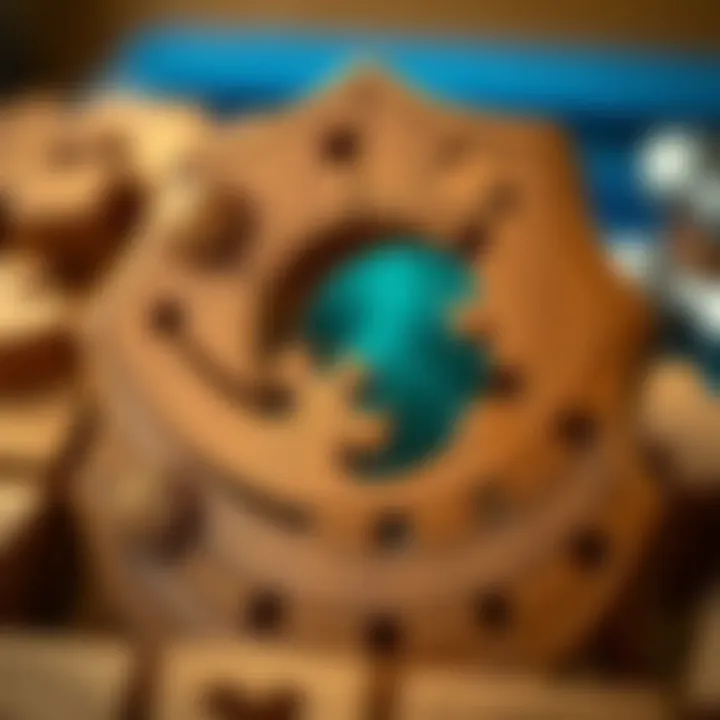
Understanding the craftsmanship and materials used in the making of Nautilus wooden puzzles is crucial for appreciating their overall quality and the intricate designs they offer. The meticulous attention to detail, choice of wood, and finishing processes all contribute not only to the puzzle’s aesthetic appeal but also to its functional durability. The craftsmanship behind these pieces embodies an heirloom quality that can be cherished across generations, making each puzzle not only a product but a piece of art in itself.
Selecting Quality Wood
When it comes to crafting Nautilus puzzles, selecting the right type of wood is not just a matter of preference but necessity. The choice of wood impacts everything, from the puzzle's tactile experience to its longevity. Common types of wood used in these puzzles include maple, birch, and walnut. These woods are known for their resilience and natural beauty.
- Maple provides a light hue with fine grains, making it ideal for intricate laser-cut designs.
- Birch is lightweight yet sturdy, perfect for maintaining the structural integrity during the cutting and assembling process.
- Walnut not only offers a rich dark color but also adds a unique character to each puzzle piece.
These selections often come from sustainably managed forests, addressing the rising demand for eco-friendly products. By using quality wood, artisans ensure that every piece can withstand the wear of countless puzzling sessions, thus enhancing the overall longevity and experience.
The Art of Laser Cutting
Laser cutting is revolutionizing how Nautilus wooden puzzles are crafted, allowing for unprecedented precision and creativity in design. This technique employs a focused beam of light to carve shapes out of wood with remarkable accuracy. This means puzzle pieces can be produced with intricate designs that were previously impossible or would require extensive manual labor.
The benefits of laser cutting in the crafting of Nautilus puzzles include:
- High Precision: Each piece is cut to exact measurements, ensuring they fit perfectly together.
- Complex Designs: Artisans can introduce intricate patterns and designs into the puzzles, making them visually captivating.
- Efficient Production: Laser cutting allows for quicker production times compared to traditional methods, meeting the increasing demand without compromising quality.
The combination of quality wood and advanced laser cutting technology culminates in wooden puzzles that are not only intellectually stimulating but also beautifully crafted.
Finishing Techniques for Durability
Finishing techniques play a vital role in the longevity of wooden puzzles. A well-finished puzzle not only enhances visual appeal but also protects the wood from wear, moisture, and other elements that could lead to deterioration over time. Some common finishing techniques include:
- Sanding: This process smooths out rough edges, ensuring that each piece feels pleasant to the touch. A smooth surface also enhances the puzzle's aesthetic appeal.
- Staining and Varnishing: Applying a protective stain or varnish helps to highlight the wood's natural grain while providing a barrier against scratches and spills.
- Oil Treatments: Oils can be applied to enrich the color and grain patterns of the wood, imparting a luxurious feel that enhances the overall experience.
"Finishing isn’t just about looks; it’s about ensuring the puzzle retains its charm through years of joyful puzzling."
Through careful selection of materials and skilled craftsmanship, Nautilus wooden puzzles stand uniquely distinguished in both their complexity and tactile experience, providing a delightful challenge for avid puzzlers of all ages.
Design Features
Design features in Nautilus wooden puzzles are at the heart of what distinguishes them from other puzzle types. These aspects not only enhance the visual appeal but also significantly influence the functionality and user experience. By examining the intricacies involved, one can appreciate how design elements contribute to the overall enjoyment and challenge that these puzzles provide.
Interlocking Mechanisms
The interlocking mechanisms in Nautilus wooden puzzles serve a crucial role. They allow the pieces to connect seamlessly, ensuring that once assembled, the puzzle stays intact. This interconnectivity adds a layer of challenge, requiring the solver to look for how shapes fit together. The clever design often resembles organic forms, echoing natural patterns found in shells or waves. Such design choices also promote spatial awareness and cognitive reasoning skills.
For example, consider a puzzle where each piece has a distinct profile, such as waves transitioning smoothly into one another. This encourages the user not only to solve the piece but to appreciate how each part contributes to the whole. The satisfaction of finding the correct fit can enhance problem-solving skills, a benefit well worth exploring.
Aesthetic Elements
Aesthetics in Nautilus puzzles are far from a mere add-on; they elevate the entire experience. The choice of wood, colors, and engravings can transform puzzles into art pieces suitable for display when not in use. Often crafted from high-quality woods like birch or maple, the natural grains create different visual effects that draw the onlooker's eye. Such puzzles tend to evoke a sense of calmness and beauty that persists beyond their function.
The design may incorporate intricate carvings or patterns inspired by marine life or abstract concepts. This not only enriches the visual experience but also provides tactile stimulation, engaging multiple senses during use. As players interact with these beautifully crafted pieces, the blend of aesthetics and gameplay may lead to an enhanced state of focus and mindfulness, making the challenge all the more rewarding.
Unique Shapes and Configurations
Finally, the unique shapes and configurations of Nautilus wooden puzzles set them apart in the puzzle marketplace. Unlike traditional jigsaw pieces, which often conform to standard sizes or shapes, Nautilus puzzles may feature unconventional forms that challenge the solver's thinking processes. This innovation encourages creative problem-solving and lateral thinking.
Imagine a puzzle piece shaped like a conch shell. Its curvature requires the player to rethink strategies and adaptability. That sort of innovation can spark curiosity and a quest for knowledge as players calculate how these extraordinary shapes fit within the larger design. Each puzzle tells a story through its structure and configuration, encouraging not only engagement with the puzzle itself but also fostering dialogues about art, design, and nature.
"The beauty of a Nautilus puzzle lies not merely in assembling pieces but in appreciating the artistry behind their creation and the shared experience they foster among creators and solvers alike."
As we can see, the design features of Nautilus wooden puzzles contribute significantly to their allure. Each element—from interlocking mechanisms to aesthetic elements and unique shapes—works in concert to create not just a challenge but a rich experience that captivates a diverse audience. Engagement with these intricate puzzles can be both pleasurable and educational, making it a worthy pursuit for enthusiasts of all ages.


Cognitive Benefits
Nautilus wooden puzzles are not just a source of entertainment; they also offer significant cognitive benefits. Engaging with these intricately designed puzzles fosters various skills that can enhance one's mental acuity. The process of solving a Nautilus puzzle requires not only focus but also sharp judgment and spatial reasoning. By challenging our brain, we can improve our day-to-day cognitive functions, making these puzzles a valuable addition to both educational and recreational contexts.
Enhancing Problem-Solving Skills
When faced with a Nautilus wooden puzzle, one must navigate complexities that demand critical thinking and effective problem-solving tactics. Each piece is uniquely shaped, requiring puzzlers to assess potential fits and strategies meticulously. This immersive experience engages multiple parts of the brain, encouraging players to adopt various approaches—be it trial and error, visual-spatial reasoning, or pattern recognition.
As puzzlers grapple with the challenge of interlocking pieces, they often develop resilience. Frustration may arise, but each setback can lead to a breakthrough moment that not only fosters confidence but also reinforces the value of perseverance in the face of difficulty. This ongoing cycle of problem-solving, failure, and eventual success is crucial for cognitive growth.
"Problem-solving is like adding bricks to your cognitive building; every puzzle you conquer strengthens your mental structure."
Strategies employed while tackling these puzzles can translate to real-world scenarios, from navigating complex decisions at work to resolving everyday dilemmas. Enhanced problem-solving abilities bolster one’s capacity to think critically, a skill that's increasingly vital in a world bursting with information.
Stimulating Memory and Focus
Another prominent cognitive benefit of Nautilus wooden puzzles lies in their ability to stimulate memory and improve focus. When working through a puzzle, players must recall previous placements and visualize the broader picture—both of which heavily rely on memory. As puzzlers engage with these tasks, they refine their capacity to retain and recall information, which could be of marked importance in academic and professional pursuits.
Moreover, the act of concentrating on an intricate design inherently sharpens one’s attention span. The engrossing nature of wooden puzzles diverts one’s mental energy away from distractions, allowing for deeper cognitive immersion. Players report a sense of flow while tackling these puzzles—a state of mind where they lose track of time and become engrossed in the solving process. This heightened focus not only contributes to the satisfaction of completion but also fosters an environment conducive to learning.
In summary, whether it’s improving problem-solving skills or enhancing memory and focus, the cognitive benefits of Nautilus wooden puzzles are substantial. Engaging with these puzzles invites players to dive into a rich mental environment, making each solving session a worthwhile endeavor. As players continue to challenge their minds, they lay the groundwork for lifelong learning and cognitive enhancement.
Educational Applications
Understanding the versatility of Nautilus wooden puzzles extends beyond mere entertainment; they have significant educational value as well. The integration of these puzzles within learning environments can have profound implications for cognitive development, engagement, and social skills, ensuring learners of all ages benefit from this unique blend of art and logic.
Using Puzzles in Learning Environments
In classrooms, Nautilus puzzles serve not just as a tool for leisure, but as an avenue for critical thinking enhancement. When students tackle these intricately designed puzzles, they engage in problem-solving that fosters analytical skills. By manipulating various pieces, learners must figure out which shapes fit together, which sparks spatial reasoning. This skill is crucial not only in mathematics and sciences but also in creative fields like architecture and design.
Additionally, these puzzles can aid in the development of fine motor skills. Children, in particular, refine their dexterity as they handle smaller pieces with precision. This can have a beneficial impact on their writing abilities and other tasks requiring hand-eye coordination.
It's essential for educators to integrate such puzzles practically. Incorporating them into lesson plans—such as using Nautilus puzzles for geometry concepts or storytelling activities—can captivate students' attention in a way text and digital media might not. Encouraging collaborative efforts around a single puzzle also promotes a sense of community within the classroom.
Fostering Teamwork and Collaboration
Engaging with Nautilus wooden puzzles can be a catalyst for teamwork and collaboration, essential components in an educational setting. When students work together on a puzzle, they must communicate effectively and share ideas. This collaboration encourages dialogue, discussion, and sometimes even friendly debate about the best strategies to tackle the challenge at hand.
Notably, these collaborative efforts enable students to recognize and appreciate diverse perspectives. Each participant might approach the problem from a different angle, showcasing the diverse thought processes that can be harnessed in a group setting. Integrating these puzzles into group activities allows students to develop interpersonal skills, which are vital in both academic and future workplace settings.
Furthermore, the sense of achievement after successfully completing a Nautilus puzzle collectively fosters a bond among peers. It builds a shared experience, instilling confidence and reinforcing the idea that teamwork can lead to successful outcomes. The lessons in patience and perseverance learned through navigating complex designs serve students well beyond their school years.
"Collaborative work lays the groundwork for crucial social skills and enhances peer relationships, making learning more enjoyable and effective."
Overall, using Nautilus puzzles in educational environments has multifaceted benefits, ranging from skill development to fostering social connections. As educators increasingly look for innovative methods to engage learners, these puzzles provide an accessible and enriching tool that meets various educational goals.
Market Trends
Understanding market trends is crucial when discussing Nautilus wooden puzzles, as these trends highlight the broader patterns and shifts in consumer preferences. This section provides insight into the current landscape of wooden puzzles, emphasizing their artisanal nature and the growing focus on sustainable practices. Both elements significantly influence consumer decisions and the overall market dynamics.
Increasing Demand for Artisan Products


Recently, there has been a noticeable rise in the demand for artisan products, and Nautilus wooden puzzles have emerged as a leading example. This surge in popularity stems largely from consumers seeking unique, handcrafted items that reflect quality and craftsmanship.
When an individual purchases a Nautilus puzzle, they are not just acquiring a toy; they are investing in a piece of art. Each puzzle is meticulously crafted, often handmade by skilled artisans who pour their creativity into the design. As people prioritize authenticity over mass-produced goods, the allure of artisan products grows.
- Customization: Many makers offer personalized options, allowing customers to add a touch of individuality to their puzzles.
- Story behind the craft: Shoppers increasingly desire to know the story behind their purchases, connecting with the artisans' backgrounds and techniques.
Moreover, it is not just about aesthetics or ethics anymore; the rising middle class in various countries fuels this demand, as consumers have more disposable income to spend on premium products.
Sustainability in Materials and Production
Equally important in current market trends is the emphasis on sustainability. As environmental consciousness rises among consumers, the choice of materials and production methods plays a critical role in purchasing decisions. Nautilus wooden puzzles are often crafted from responsibly-sourced wood, signaling a commitment to eco-friendly practices.
- Eco-Friendly Materials: Brands take care to select woods such as bamboo or reclaimed wood, which have minimal environmental impact.
- Production Methods: Many manufacturers utilize laser cutting, reducing waste and energy consumption compared to traditional methods.
This shift towards sustainability doesn’t just resonate with environmentally-minded consumers; it reflects a broader movement towards ethical consumerism. Companies that fail to adapt to these changes risk being left behind in a market that increasingly values sustainability.
In summary, the market for Nautilus wooden puzzles is thriving due to the changes in consumer preferences towards artisan products and sustainable production practices. As these trends continue to shape the landscape, both creators and consumers benefit from a deeper appreciation for craftsmanship, creativity, and responsibility.
Comparison to Other Puzzle Types
Understanding the uniqueness of Nautilus wooden puzzles in comparison to other popular puzzle forms provides deeper insight into their appeal and functionality. These comparisons highlight the strengths and distinctive features of Nautilus puzzles as well as what might suit different interests and challenges for puzzle enthusiasts.
Nautilus vs. Traditional Jigsaw Puzzles
When thinking about puzzles, traditional jigsaw puzzles likely come to mind first. They are numerous in variety, often featuring beautiful images that can range from serene landscapes to vibrant artworks. However, when one compares Nautilus puzzles to traditional jigsaw options, several key differences surface.
Key Differences:
- Design Complexity: Nautilus puzzles often incorporate intricate designs that extend beyond mere image assembly. The interlocking pieces not only create a beautiful image but also challenge logic and reasoning in unique ways.
- Material Quality: Generally made from high-quality wood, Nautilus puzzles offer a tactile experience that cardboard jigsaw puzzles can’t match. The durability of wood means that these puzzles are less likely to wear out over time.
- Cognitive Challenge: While both types enhance problem-solving skills, Nautilus puzzles may require more abstract thinking. Their non-linear designs often involve understanding spatial relationships in three dimensions, challenging the solver in a distinct manner.
This difference in experience may cater to those looking for a more hands-on challenge, diving deep into tactile engagements as opposed to simply piecing together an image.
Nautilus vs. 3D Puzzles
3D puzzles have gained popularity for their ability to bring physical structures to life. These puzzles often come in the form of buildings or elaborate figurines and require assembling pieces to create a standing object. Comparing them to Nautilus puzzles unveils various surprising contrasts.
Distinct Characteristics:
- Dimensional Engagement: While both puzzle types challenge the mind, Nautilus puzzles are focused more on flat interlocking designs that can also play tricks on one’s perspective when solved, whereas 3D puzzles focus on depth and height.
- Artistic Expression: Nautilus puzzles are often as much about the aesthetic aspects as the challenge itself. Many Nautilus puzzles display artistic designs that may be purely abstract or nature-inspired, making them appealing to art lovers. In contrast, 3D puzzles are limited to modeled shapes which may not convey intricate aesthetics.
- Assembly Process: The building process for Nautilus puzzles might engage one's strategic thinking more so than 3D puzzles, which can sometimes focus on simple assembly techniques without requiring the same level of problem-solving skill.
Both puzzle types offer distinctive experiences, making them suitable for different tastes and preferences in puzzle-solving. In summary, every puzzle type brings its own flavor to the gaming table, and depending on what a solver enjoys, one might be drawn more to the craftsmanship and complexity of Nautilus puzzles or the dynamic engagement offered by traditional jigsaws and 3D constructions.
"Each puzzle type offers a different way to challenge oneself. Understanding these nuances allows puzzle enthusiasts to find what truly speaks to them."
For more on puzzle history and comparisons, you can visit Wikipedia or the resource on Britannica.
Exploring these various types provides valuable insights into one’s preferences and strengthens the relationship with the art of puzzling.
End
In wrapping up our exploration of Nautilus wooden puzzles, it's clear that they hold a unique place in both the crafting and puzzling world. The intricate craftsmanship, the care taken in selecting quality materials, and the sophistication of designs culminate in experiences that are both enjoyable and mentally stimulating.
Summarizing the Nautilus Experience
The Nautilus puzzle experience is about more than just fitting pieces together; it is also about engaging the mind and appreciating art. When someone sits down with a Nautilus puzzle, they are not simply solving a challenge; they are participating in a tradition that values creativity, intelligence, and tactile craftsmanship. Each piece tells a story, from its precise laser cut to its smooth finish, inviting the user to engage with it on multiple levels.
- Cognitive Engagement: The mental workout provided by these puzzles assists in enhancing problem-solving skills and boosting memory. Regular engagement with such puzzles cultivates patience and resilience, offering a worthwhile investment in personal development.
- Artistic Appreciation: Nautilus puzzles also underscore the artistry involved in their creation. The aesthetic details, from unique shapes to decorative elements, create an immersive viewing and tactile experience. The beauty of the puzzle pieces encourages appreciation of craftsmanship.
- Community and Sharing: Furthermore, Nautilus puzzles foster connections among enthusiasts. Whether it's exchanging tips on assembly or sharing experiences on forums like reddit.com, the community aspect becomes integral to the Nautilus experience.
Let’s not forget the environmental aspect of choosing these artisan puzzle designs; many are constructed from sustainably sourced materials, making them a conscientious choice for those who are eco-aware.