Exploring Mario Paper Origami: Culture and Craft
Intro
In a world where gaming extends beyond screens and joysticks, a fascinating fusion unfolds—Mario Paper Origami. This art form marries the whimsy of cherished gaming characters with the intricate, time-honored practice of folding paper into expressive works of art. Within this exploration, we unfold layers of history, techniques, and community dynamics that make Mario Paper Origami not just a craft but a cultural phenomenon.
The origins of this craft can be traced back to the jubilant spirit of the Mario franchise, where colorful characters and vibrant worlds come to life through gameplay. Fans of Mario have taken their admiration a step further, engaging in the meticulous process of origami. This craft not only serves as a homage to their favorite icons but also fosters creativity and mindfulness among its practitioners.
By dissecting this intersection of gaming culture and artistry, we hope to shine a light on its historical significance, practical applications, and the vibrant communities that have sprung up around it.
Key Points to Discuss
- The history of origami as it relates to gaming culture.
- Unique techniques in Mario Paper Origami that make it stand out.
- The role of fan communities in promoting and sharing this art.
- The educational potential of engaging with origami in a gaming context.
As we embark on this journey, expect to discover intricate techniques, unconventional collaborations, and possibly even some quirky anecdotes that will enrich your understanding of this unique art form. Let's dive into the delightful world of Mario Paper Origami, where each fold tells a story.
Preface to Mario Paper Origami
The intersection of gaming culture and traditional arts can often lead to surprising and delightful forms of expression. Among these, Mario Paper Origami stands out as an engaging and imaginative art form that resonates with fans far and wide. This blend, while seemingly niche, fosters a strong community of enthusiasts who appreciate the intricacies of both gaming and origami. Delving into this art form enables participants to reconnect with beloved characters from the Mario franchise while honing their artistic skills.
The Origins of Origami
Origami, originating from the Japanese words "oru" (to fold) and "kami" (paper), is a technique that has been practiced for centuries. Its true origins, while shrouded in mystery, are believed to date back to the 17th century, though paper folding likely came even earlier from simple paper crafts. As the craft spread globally, different styles and approaches evolved, leading to a variety of techniques and teachings.
In its essence, origami embraces simplicity and patience. Creating intricate shapes from a single sheet of paper demands focus and precision. Whether it's a crane or a complex dragon, the journey begins with foundational folds. By mastering these basics, enthusiasts can create increasingly sophisticated designs, each piece an expression of creativity and skill.
The Mario Franchise and Its Cultural Impact
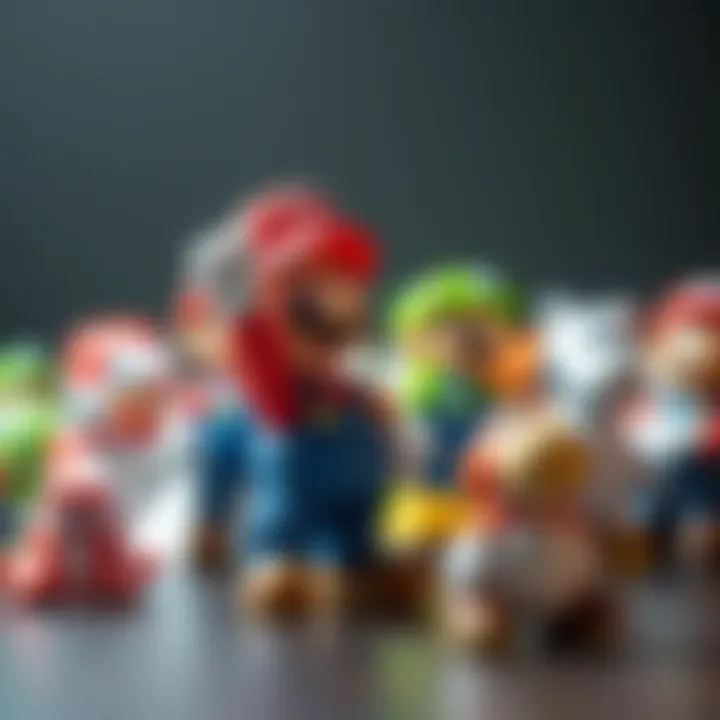
The Mario franchise isn’t just a series of entertaining games; it’s a cultural phenomenon that has influenced various art forms, including origami. Characters like Mario, Luigi, and Princess Peach have become icons. With their appealing designs and vibrant colors, they lend themselves perfectly to the artistry of paper folding.
With over 40 years of history, the franchise has morphed and evolved, but its core message remains the same: adventure, friendship, and relentless fun. Mario's relatable character can inspire feelings of nostalgia, and incorporating him into origami brings a delightful touch of whimsy.
Fans often connect over their shared interests, taking the traditional art of origami and pairing it with familiar gaming elements. This synergy offers a unique means of creative expression. Moreover, various online platforms such as Reddit and gaming forums serve as vibrant spaces where enthusiasts share their creations, tips, and tutorials, fostering a community that thrives on innovation and shared passion.
"Art is not freedom from discipline, but disciplined freedom."
Ultimately, merging Mario with origami allows individuals to explore their creative potential while appreciating the deeper cultural significance that both gaming and art hold in today's world. This comprehensive exploration will continue to uncover the techniques and creativity behind Mario Paper Origami, revealing just how impactful this combination can be on both fans and the broader artistic community.
Understanding the Techniques
In the realm of Mario Paper Origami, understanding the techniques is foundational to creating art that genuinely resonates with fans of the franchise. This knowledge transforms simple paper folding into an engaging recreation of beloved characters and scenes from the Mario universe. It not only enhances the aesthetic quality of the final product but also enriches the creator's experience. Grasping these techniques allows artists to communicate emotions and narratives through every fold, bringing the characters to life right in the palms of their hands.
Mastering origami techniques spans a wide range—from basic folds that serve as the building blocks of more complex designs to intricate methods that challenge an artist’s dexterity and creativity. Comprehending these layers of skill not only results in visually appealing models but also instills a sense of accomplishment, fostering a deeper connection to both the art of origami and the gaming culture itself.
Basic Origami Folds and Techniques
Before diving into the whimsical characters of the Mario universe, it’s essential to familiarize oneself with basic origami folds. These foundational techniques will set the stage for everything that follows.
- Valley Fold: This fold creates a crease that resembles a valley. Simply fold the paper towards you, facilitating a smooth bend for cleaner shapes.
- Mountain Fold: Opposite to the valley fold, this one results in a crest on the paper. Fold it away from you to shape the model’s structure.
- Squash Fold: This method opens up an already formed fold, allowing the paper to flatten into a new shape. It’s crucial for adding dimensionality to Mario characters.
- Reverse Fold: Useful for repositioning sections of the origami without breaking the paper, the reverse fold lets you adjust details meticulously.
- Pleat Fold: A technique that involves folding paper back and forth in a zigzag manner. This fold can help sculpt the curves of Mario’s classic hat.
These basic folds can be viewed as the core vocabulary of origami, and once a person gets the hang of them, the possibilities for creating Mario-themed figures becomes nearly infinite. For practical insights, resources like origami-resource-center.com offer tutorials on mastering each of these folds, allowing creators to practice at their own pace.
Advanced Techniques in Mario Origami


As one’s skills advance, so too does the complexity of the projects. For those looking to step up their origami game, incorporating advanced techniques will make characters like Mario and Luigi pop off the page—and not just in their iconic colors.
- Box Pleat: This technique allows for the creation of large, detailed models while maintaining a manageable size of paper. It plays a significant role in crafting Mario's overalls.
- Wet Folding: This sophisticated method involves slightly moistening the paper before folding. It enables smoother, rounded edges and offers a level of realism that can elevate any character model.
- Modular Origami: Here, individual pieces are folded and connected together. This is ideal for creating multiple characters, allowing for a diorama of Mario's world.
- Curved Folds: Essential for designing dynamic poses or even the distinct jump of Mario, curved folds help lend a more animated feel to models.
Mastering these advanced techniques will not only push the limits of creativity but also enhance the overall presentation of your Mario origami. As the complexity of the folds increases, so too does the satisfaction of producing a final model that resonates with fans. You can find excellent demonstrations on platforms like YouTube or Reddit's r/origami community, where artists share their projects and tips regularly.
Through understanding and employing these specific techniques, the journey into Mario Paper Origami transforms into an exciting adventure where creativity knows no bounds.
The Creative Process Behind Mario Paper Models
Creating Mario paper models isn’t just about folding paper; it’s about breathing life into beloved characters and setting them into a tangible form. The creative process is a blend of imagination, technical skills, and a deep connection to the Mario franchise. By understanding this process, enthusiasts can take their Mario origami skills to new heights, bring joy to others, and even foster a deeper appreciation for both the art of origami and gaming culture.
Choosing Characters and Designs
Selecting which Mario character to model can feel a bit like picking a favorite child. Each character from Luigi and Princess Peach to Bowser has unique traits that influence the design and complexity of the origami piece. When deciding on a character, consider the following:
- Familiarity: Choose characters that resonate with you or the intended audience. Characters that evoke nostalgia often bring out creativity.
- Complexity of Design: Some characters, like Yoshi, may have intricate features that require advanced origami skills, whereas simpler forms like Mario himself might be easier for beginners.
- Personal Style: Your creative flair matters. Infuse your artistic viewpoint into the character’s design. For instance, use an exaggerated version of Mario’s cap or a whimsical take on Toad’s colors.
Taking time to research these characters is vital. Connecting with existing artworks or fan designs can provide inspiration and also help avoid common pitfalls during the creation process.
Materials and Tools Needed
The right materials can make or break the origami experience. Here, simplicity, variety, and functionality reign supreme. Here are some essentials for making Mario paper models:
- Paper Types: While traditional origami paper works well, consider using colored or patterned paper. Specialty origami papers add texture and vibrancy, while heavier cardstock may be needed for larger models.
- Cutting Tools: A precise craft knife is critical for details. Scissors might work for broader cuts but can lead to rough edges on intricate sections.
- Adhesive: While purists may argue against using glue, a light touch with a fast-drying glue can help secure layers, especially in more complex designs.
- Bone Folder: To get those crisp folds, a bone folder is invaluable. It smooths the edges and can help with more definite creases that are vital for clean designs.
These tools not only enhance the final product but can also streamline the creative process, making it more enjoyable.
Step-by-Step Model Creation
Crafting a Mario model involves several stages, each contributing to the artistry of the final piece. Here is a streamlined process to create your masterpiece:
- Sketch Your Design: Before touching paper, draw out your character. Identify key parts and how they interact.
- Select Paper: Choose your paper type based on complexity and character. This is the canvas for your creativity.
- Cut the Paper: Carefully cut the paper into the necessary shapes as per your design. Finesse and accuracy are key here; take your time.
- Define the Folds: Start with the basic folds. Watch videos or tutorials specific to the character for insights into unique folds that capture the essence of the design.
- Assemble: Gradually piece together the folded parts. Here’s where the real magic happens. Pay attention to details and don’t rush this stage.
- Final Touches: Once assembled, refine the model. Adjust any areas that need extra attention and ensure everything is secured, especially if glue was involved.
Creating intricate Mario paper models can merge the playful side of origami with the complex designs of the gaming world. As you explore this art form, remember that even missteps can lead to unexpected creativity. Each fold and crease serves not just to form a physical model, but to tell a story rooted in gaming and personal artistry.
"Origami brings imagination to life, one fold at a time."
For those diving deeper into Mario Paper Origami, think about sharing successes and challenges within online communities, like those on reddit.com, where many creators gather to exchange tips, experiences, and motivation.
The Role of Fan Communities
Fan communities play a pivotal role in the vibrant world of Mario Paper Origami. These groups not only foster creativity but also build connections among enthusiasts who share a passion for both origami and the beloved Mario franchise. By bringing people together from various backgrounds, these communities serve as a melting pot of ideas, techniques, and inspiration, breathing life into the art form.
Engagement in fan communities provides several specific benefits. First, it encourages collaboration among artists at different skill levels. Beginners can seek advice from seasoned creators while experienced practitioners can refine their techniques by observing new approaches. This open exchange promotes continuous learning.
In addition, fan communities often facilitate the sharing of resources, tips, and tutorials. Members can post photos of their latest models, provide step-by-step guides, and offer insights into which paper types work best for specific designs. This resource-sharing creates a treasure trove of knowledge that might otherwise take years to accumulate individually.
One cannot underestimate the significance of encouragement that arises within these groups. Artists often face doubts and frustrations when trying to materialize their ideas. The supportive atmosphere found in fan circles can help counteract these challenges. When artists feel appreciated, it boosts their confidence, encouraging them to push their creative boundaries.
The availability of platforms for sharing work and experiences can also elevate one’s visibility in the broader origami community. Many fans utilize social media platforms like Instagram, Reddit, or even Facebook groups to showcase their Mario-themed creations. This connection transcends geographical limitations, allowing individuals to find camaraderie as they bond over a shared interest.
"In art, one draws inspiration from others, but it’s the community that provides the fuel."
Connecting through Online Platforms
Online platforms have become vital lifelines for the Mario Paper Origami community, particularly in today’s digital age. Websites and forums dedicated to the hobby are rife with discussion, where members exchange tips, share experiences, and even collaborate on designs. Sites like Reddit have specialized subreddits for origami enthusiasts, making it easy to find specific content related to Mario.
Social media accounts, especially on Instagram and Pinterest, allow visual sharing of models, including complex characters like Bowser or Princess Peach. This prompts interaction through likes and comments, creating a feedback loop that fuels further creativity. Each post can spark new ideas, as followers might attempt to replicate or improve upon the designs they see.
The beauty of online communities is their inclusivity. No matter where one is in the world, an enthusiast can connect with others who share their fervor for Mario Paper Origami. These connections can lead to collaborations on large projects or even the development of tutorials for those looking to dive into origami.
Events and Conventions Celebrating Origami
Events and conventions celebrating origami are instrumental in solidifying the bonds created online. These gatherings offer fans a chance to meet face to face, fostering a sense of belonging. Major conventions often feature workshops, panels, and exhibits where fans can present their work, share techniques, and learn from industry veterans.
Sometimes, these events also host competitions where participants can showcase their best Mario origami models. Such contests not only inspire creativity but also challenge artists to think outside the box. Seeing others' models can ignite a new passion within attendees, spurring them on to refine their skills or try unexpected designs.
Furthermore, conventions can be a place for merchandise exchanges, allowing artists to trade custom-designed papers or origami kits. This type of interaction enriches the entire experience, encouraging the idea that creation is both a personal journey and a collective effort. It emphasizes the communal facet of art-making, reminding individuals that they are part of something bigger.
In summary, fan communities are indispensable for nurturing the art of Mario Paper Origami. They restore not just knowledge but also a sense of enthusiasm among aficionados—creating a dynamic and inclusive environment that celebrates both origami and gaming.
Cultural Significance and Educational Impact
Understanding the cultural significance and educational impact of Mario paper origami offers insights into how this art form transcends mere crafting. It’s a vibrant blend of gaming culture and traditional artistry that speaks to both nostalgia and innovative expression. Furthermore, it serves as a bridge between generations, linking older gamers who enjoyed Mario in their childhood to the younger audience discovering it anew.
Origami as an Educational Tool
Origami, at its core, embodies a plethora of educational benefits. Using Mario characters as templates, educators can enhance learning in various subjects:
- Mathematics: Folds and angles involved in origami can bolster spatial reasoning skills. When a student crafts a Mario figure, they're not just following instructions; they're engaging with geometry and symmetry.
- Fine Motor Skills: Folding paper requires precision and coordination. This hands-on activity allows for the development of fine motor skills vital in early education.
- Following Instructions: Creating a Mario origami model can aid in improving reading comprehension and following sequential steps. The process develops critical thinking as learners assess their progress and troubleshoot issues during the creation process.
In addition to these direct educational benefits, Mario paper origami fosters a sense of creativity and accomplishment. The whimsical nature of Mario characters encourages students to express their personal styles, fostering individuality amidst shared cultural references.
The Influence of Gaming in Art Education
Gaming's influence in art education cannot be overstated. With platforms like Reddit and various Facebook groups, communities build around Mario paper origami create a collaborative environment. This support network not only motivates individuals to hone their skills but also exposes them to a diverse range of techniques and artistic interpretations.
Moreover, integrating gaming characters into art education introduces students to cultural narratives and storytelling. Engaging with popular figures like Mario allows learners to explore themes of heroism, friendship, and adventure through their creations. Art educators can capitalize on the allure of gaming by incorporating projects, workshops, and challenges that intertwine origami with gaming themes.
"The beauty of Mario origami lies in its ability to connect artistry with popular culture, enriching the educational experience for students of all ages."
In summary, Mario paper origami is not just a craft; it's a multifaceted educational tool that enriches learning experiences and fosters creativity. In a world increasingly shaped by digital experiences, this form of origami invites gamers and artists alike to engage, create, and educate in dynamic ways.
Challenges and Considerations
In the world of Mario Paper Origami, each fold is a dance between creativity and technique. Yet, along this vibrant journey, artists can face a few hurdles. Understanding these challenges is crucial not only for the crafting process but also for enhancing the overall experience of creating Mario-themed origami. Let's dive into what can trip you up and how to navigate through it.
Common Pitfalls in Mario Origami
Embarking on the origami adventure can feel a bit like facing Bowser on the first try—daunting and tricky. Here are some common slip-ups origami enthusiasts might encounter:
- Using Poor Quality Paper: Not all paper is created equal. Thin or overly stiff paper can lead to rips and jagged folds. It’s often best to use lightweight, yet sturdy paper, like origami or craft paper.
- Neglecting the Basics: Many newcomers might skip preliminary folds and basic techniques in enthusiasm. This oversight often causes frustration later, as foundational skills are essential for more complex models.
- Not Following References Closely: Whether it’s a diagram or a video, disregarding the step-by-step guidance can result in a misformed model. It’s easy to get lost in the folds, but keeping track step helps in preserving accuracy.
- Ignoring Color Patterns: Mario characters have distinct color patterns, which extend to the origami models. Failing to select the right colors might diminish the character's likeness, leading to disappointment.
These pitfalls can create bumps in the road. However, with patience and practice, one can easily work around them.

Navigating Artistic Expectations
When engaging with Mario Paper Origami, there’s often a fine line between aspiration and reality. Artists might start with grand visions, much like dreaming of leaping over fences in the Mushroom Kingdom only to find there's no warp zone. Here are some pointers to manage artistic expectations:
- Realistic Goals: Start with simpler characters like Toad or Koopa Troopa before aiming to recreate more complex figures like Mario or Luigi in their fancy power-up forms. Setting attainable goals will prevent discouragement.
- Focus on Personal Growth: Origami is as much about the journey as it is about the destination. Each attempt, whether successful or shaky, teaches valuable lessons. Embrace the learning process.
- Iterate and Improve: It’s rare to nail the perfect fold on the first go. Take the time to refine your models. Creating variations not only enhances your skills but makes the final creation more unique and personal.
- Seek Feedback: Sharing your work with the community can lead to insights you might not have considered. Other fans might provide tips that illuminate paths you've yet to explore.
Ultimately, navigating artistic expectations means balancing passion with patience. Taking the time to savor the fold creates not only masterpieces but also memories.
"In the realm of Mario Paper Origami, each fold tells a story, a journey filled with trials that shape the artist's craft."
As you continue to fold, let each challenge sharpen your skills and every expectation drive you deeper into the world of origami. There’s much to explore in this delightful intersection of gaming and artistry.
Future Trends in Mario Paper Origami
As the landscape of art and gaming continues to shift, it becomes evident that Mario paper origami exists not only as a pastime for dedicated fans but also as a medium that links two vibrant cultures. Understanding the future trends in Mario paper origami is critical for both artists and fans alike. These trends open avenues for creativity while fostering community engagement and education.
Integration with Digital Media
The integration of Mario paper origami with digital media marks a significant milestone in the evolution of both gaming and traditional art forms. Today, origami enthusiasts can leverage technology to expand their creative boundaries. For instance, tutorial videos on platforms like YouTube provide step-by-step instructions, making complex models accessible to beginners while sparking inspiration for more seasoned creators. Moreover, apps dedicated to origami allow users to visualize folding patterns in 3D, enhancing the learning process.
Another growing trend involves the use of augmented reality (AR). Imagine pointing your smartphone at a flat origami paper and seeing your Mario character come to life right before your eyes. This blending of physical art with digital interaction creates a captivating experience that appeals to both gamers and crafters. Social media platforms also play a vital role, where creators can share their unique models and techniques, building a sense of belonging within fan communities.
Emerging Trends in Gaming and Art Fusion
Art and gaming are merging like never before. One emerging trend involves collaborative projects that marry paper origami with game design. Game developers are beginning to create challenges where players can fold paper models as part of the gameplay, leading to innovative gaming experiences. This not only promotes origami but also enhances the narrative depth of games, allowing players to recreate their favorite Mario moments through hands-on interaction.
Moreover, workshops and conventions are promoting this fusion further. These events provide a platform for players to gather, share knowledge, and even create live Mario paper models together. As gamers engage in such activities, the art of origami becomes part of a broader dialogue about creativity in gaming.
“The fusion of gaming and art opens up creative channels between players, making every fold a part of the narrative.”
In summary, future trends in Mario paper origami are promising. The integration with digital media paves the way for innovative practices, while the incorporation of gaming elements enrich the art form. Artists, educators, and gamers stand to benefit from these developments. They not only strengthen the cultural significance of origami but also redefine how we perceive creativity in an era heavily influenced by technology and gaming culture.
The End: The Future of Creativity in Gaming
Within the grand tapestry of gaming culture, the fusion of origami with beloved characters such as Mario stands as a hallmark of contemporary creativity. This conclusion not only wraps up the exploration of Mario Paper Origami but also provides insightful reflections regarding the evolving landscape of artistic expression within the gaming community. As gamers increasingly seek ways to connect with their favorite franchises on a personal level, methods that transcend mere gameplay emerge as fundamental to enhancing overall engagement.
The beauty of Mario Origami lies in its limitless potential for creativity. From paper sculptures that recreate iconic scenes to complex character representations, the art form encourages individuals to unlock their imaginative capabilities. It allows fans to manipulate a simple medium and breathe life into their interpretations of well-known figures. In this way, the craft serves as a bridge between the worlds of gaming and traditional art, enabling an appreciation for the intricacies involved in both.
"Art and gaming are no longer separate realms; they coexist beautifully in unique endeavors like Mario Origami."
Moreover, Mario Origami facilitates a sense of community among fans. The crafting of paper models not only nurtures personal skills but also encourages shared experiences with others who appreciate the same characters. Social platforms like Reddit and Facebook host communities where enthusiasts exchange ideas, techniques, and completed works, creating an atmosphere ripe for collaboration. These activities represent the spirit of modern gaming: collaboration, exploration, and mutual respect among creators.
Looking towards the future, the integration of digital tools and social media with physical origami is anticipated to flourish. Apps and online tutorials can provide an accessible way to learn new techniques, while also encouraging family-friendly activities that engage younger audiences. This shift represents not only a retention of traditional skills but also an adaptation to digital trends, embracing modernity while honoring the roots of craftsmanship.
The Endless Possibilities of Mario Origami
In contemplating the endless possibilities of Mario origami, one must recognize the vibrant and evolving nature of this craft. Each fold of paper tells a story, capturing unique perspectives on characters that players have come to know and love. The versatility of materials, from colorfully printed paper to unconventional items like recycled materials, expands the range of what can be created. Each artist can leave their imprint, transforming paper into expressions that resonate personally and collectively.
From basic creations like Mario’s iconic cap to intricate multi-fold structures that showcase entire scenes from the Mushroom Kingdom, the scope is virtually boundless. Gamers of all ages may develop their own signature styles, experiment with aesthetics, and even create models that integrate technology. For instance, incorporating LED lights into models to give a different dimension to the paper art resonates with the gaming audience's appreciation for innovation.
The characters and motifs fluctuating across the Mario franchise also contribute significantly to the diversity available in this artistic endeavor. Every installment introduced new figures and environments which translates into fresh opportunities for origami artists to explore. Relying on a single character won't do; enthusiasts often branch out, experimenting with antagonists like Bowser or lovable allies like Yoshi and Toad. This multiplicity showcases the richness of the franchise, inviting a multitude of interpretations.
Encouraging Creative Expression through Gaming
Ultimately, encouraging creative expression through gaming forms a crucial element of community growth. The intersection of gaming with disciplines like origami allows fans to dive deeper into narratives and aesthetics in ways that gameplay alone might not offer. It plays into broader educational trends, where learning methods increasingly advocate for hands-on creativity as a powerful tool for retention and understanding.
Artistic pursuits such as Mario Origami promote critical thinking, problem-solving, and fine motor skills. These benefits extend beyond the individual; they enrich group interactions where teamwork and discussion take place during model crafting.
For more insights into the intersection of gaming and art, consider exploring resources like Wikipedia's Origami page or communities on platforms like Reddit and Facebook that showcase and foster these creative endeavors.